‘Channel Orange’ Japanese translator Minako Ikeshiro pens letter on Frank Ocean

Channel Orange Japanese lyric booklet; pp. 1–2.
For the past few days, I’ve been feeling a mix of overwhelming emotion and nervous knots in my stomach over Frank Ocean. Here’s the story… —Minako Ikeshiro (trans.) on July 11, 2012.
On August 22, 2012, Universal Music Japan released a CD edition of Frank Ocean’s Channel Orange with a special booklet inside its packaging. After tearing off the plastic and unfolding the orange jacket, fans are greeted by a small black-and-white folio tucked away in the gatefold’s left pocket. The insert features a Japanese translation of Ocean’s lyrics, as well as a foreword written by the translator: Minako Ikeshiro, an R&B music journalist based in Tokyo.
Obi (帯) attached to the Channel Orange CD released in Japan.
Across four pages, Ikeshiro-san captures the zeitgeist surrounding the up-and-coming U.S. artist, both in Japan and abroad. She documents Ocean’s background, introduces listeners to Channel Orange, and narrates her unique experience with its rollout, including meeting Ocean in person.
The piece was written on July 11, 2012, only a day after the album’s digital premiere and a week after Ocean opened up about his sexuality in a letter shared on Tumblr—a ‘historic turning point’ in Hip-Hop and R&B culture, as Ikeshiro describes it. Her commentary serves as a time capsule preserving that moment for readers of the present and future.
14 years after its release, in 2026, blonded.blog’s Odysseus reached out to a Japanese–English translator in the music industry, Juno, and asked him to verify and edit a machine translation of the text. With his help, the Channel Orange foreword has been rendered in English so that more fans can appreciate the artifact. The translation includes photos, annotations, and links to related articles for additional context. It is available below, along with scans of the CD packaging and the Japanese transcript.
Show your support for the original author, Minako Ikeshiro, by following her on Instagram and Note.com.
For the past few days, I’ve been feeling a mix of overwhelming emotion and nervous knots in my stomach over Frank Ocean. Here’s the story…
On Thursday, June 21st, 2012, a listening session for Channel Orange was held at KMA Studios near Times Square [in New York City]. True to the album’s title, the room was decked out with white and orange chairs, a bar serving a special cocktail of champagne mixed with Italian orange soda, and even bouquets of orange flowers. It was an elaborate, party-style setup, but once things got underway, there were only about ten attendees—all of whom exuded the vibe of “serious music journalists” in full work mode. Frankly, the atmosphere was stiff. Even when Frank himself appeared carrying a laptop, the mood didn’t change; we were even instructed to leave our smartphones in the waiting area before entering the room where the equipment was set up.

KMA Studios in NYC; circa 2012.
Frank sat diagonally in front of me—close enough that I could have touched his face if I’d reached out—and began playing the tracks one by one, in a calm manner. The volume was deafening. It was so loud that the overall sound balance was actually lost. I took notes. The people to my left, right, and behind me were furiously taking notes, too. Compared to Nostalgia, Ultra—the mixtape that first brought him into the spotlight—these songs struck me as complex and avant-garde, lacking clear, conventional structures. It reminded me of Erykah Badu’s New Amerykah, Part One: 4th World War and the listening session held for that album. His vocals were superb—truly polished—as were the conversational lyrics. Many tracks conveyed the authentic atmosphere of the West Coast, making it feel surreal to be listening to them in Times Square—a concrete jungle located 180 degrees to the east. I found myself thinking like a label executive, wondering if there were enough potential singles. “Lost” and “Bad Religion” offered a sense of relief, though “Forrest Gump” left me with a lingering sense of unease. I had wondered if Ocean himself was representative of “Forrest Gump” within the song, but it doesn’t seem so. A song about friendship, perhaps? After listening, it seems like I wrote out of confusion, “He’s evolving/deepening. But this…?” [Note: “Evolving/Deepening” is a play on two words in Japanese that are pronounced the same way; shinka, 進化/深化.]
July 4th—Independence Day, the birthday of the United States. While the whole country was getting carried away with barbecues and fireworks, news swept across the internet:
“Frank Ocean Comes Out.”
Frank Ocean’s open letter with Channel Orange; first shared via Tumblr, July 4, 2012.
I was stunned. It turned out that during the listening session I attended, a journalist [Max of BBC Radio 1Xtra]—unlike me—had correctly identified “Forrest Gump” as a love song from one man to another. They had pointed out that Frank Ocean was likely gay or bisexual, and rumors had already begun to circulate. In response, Frank wrote a letter—crafted with the same beautiful prose found in his lyrics—revealing that the person he had loved during the summer he turned nineteen was a man; he posted this on his Tumblr. Both the original text and a translation are included with this CD, so please take a look. Apparently, he had written the message at the end of the previous year with the intention of including it with the album, meaning he had decided to come out right from his debut.
I feel foolish now, thinking back to how I spoke to him after the session. I casually told him that the nickname “Kaiyo-kun” (Ocean-kun) was catching on among Japanese fans—a name that originated from a tank top I’d bought on his tour the year before, which had “Frank Kaiyo” printed on it in Japanese. [Note: Foreign names are normally written in Japanese using the Katakana writing system, which translates words phonetically (e.g., Frank Ocean = Furanku Oshan, フランクオーシャン), but Ocean’s 2011 tour merch used logograms from a different writing system, Kanji, which translated his surname as a literal ocean or body of water (kaiyo, 海洋). Inspired by this, Japanese fans started calling Ocean “Kaiyo” with the honorific -kun (君) as a term of endearment.]

2011 tank top with “Furanku Kaiyo” in Japanese: フランク海洋。
[When I told Ocean about this nickname,] he seemed pleased, but deep down, he might have been embarrassed, thinking, “Oh, so this person didn’t notice [the mistake].” I feel terrible about that.
The next day, the lyrics arrived via Tokyo. Upon re-reading them, I noticed the word “he” appeared in only two places—once in “Bad Religion” and once in “Forrest Gump”—so I felt a bit of relief knowing I probably wasn’t the only attendee who had missed it. By the way, my favorite line from Nostalgia, Ultra is in “Songs for Women”:
♪ She don’t even listen to the songs I record, but she be banging that Drake in my car. ♪
I had even thought that—if I ever had the chance to interview him—I would ask whether those bizarre yet poignant lyrics were based on a true story. He wrote about having dated a woman in the text mentioned earlier; it seems Ocean didn’t realize he was attracted to the same sex until he met that person at the age of nineteen. And now—having translated all his lyrics and read his letter—I find myself thinking that his unrequited first love was so agonizing that writing a song about it with absolute honesty, hoping it would reach the other person, was perhaps just as important to him as the act of coming out and “becoming free of secrets.”
Personally, I feel both dissatisfied and uneasy that Frank Ocean—a rare talent who comes along perhaps once a decade—is being praised almost exclusively for this specific issue. That isn’t what matters most. Yet, I also painfully understand why so many view this deeply personal event as a historic turning point: it marked the first time homosexuality was publicly acknowledged within the genres of hip-hop and R&B—or indeed, within black culture at large. Being both black and gay means belonging to a minority in a double sense. Until now, it was something never spoken of; even if I had realized it myself at some point, I certainly wouldn’t have written about it. While the works coming out of Hollywood might give the impression that America is open-minded about homosexuality, the vast majority of Americans are Christian and conservative. Syd Tha Kyd, the only female member of Odd Future, has also publicly come out as gay, though given her fashion style, few people likely assumed she was straight to begin with. The timing is certainly significant—coming just as President Obama announced his support for same-sex marriage ahead of the election and CNN anchor Anderson Cooper came out—but the move remains high-risk in terms of an artist’s public image, making it an act of immense courage. Fellow artist Tyler, The Creator, as well as Jay-Z and Beyoncé—whom Frank has written songs for—were quick to issue statements in his support; the situation has even prompted Russell Simmons, the original founder of Frank’s label, Def Jam, to release a statement.
“Be Yourself”—image posted by Beyoncé after Frank Ocean shared his open letter; July 9, 2012.
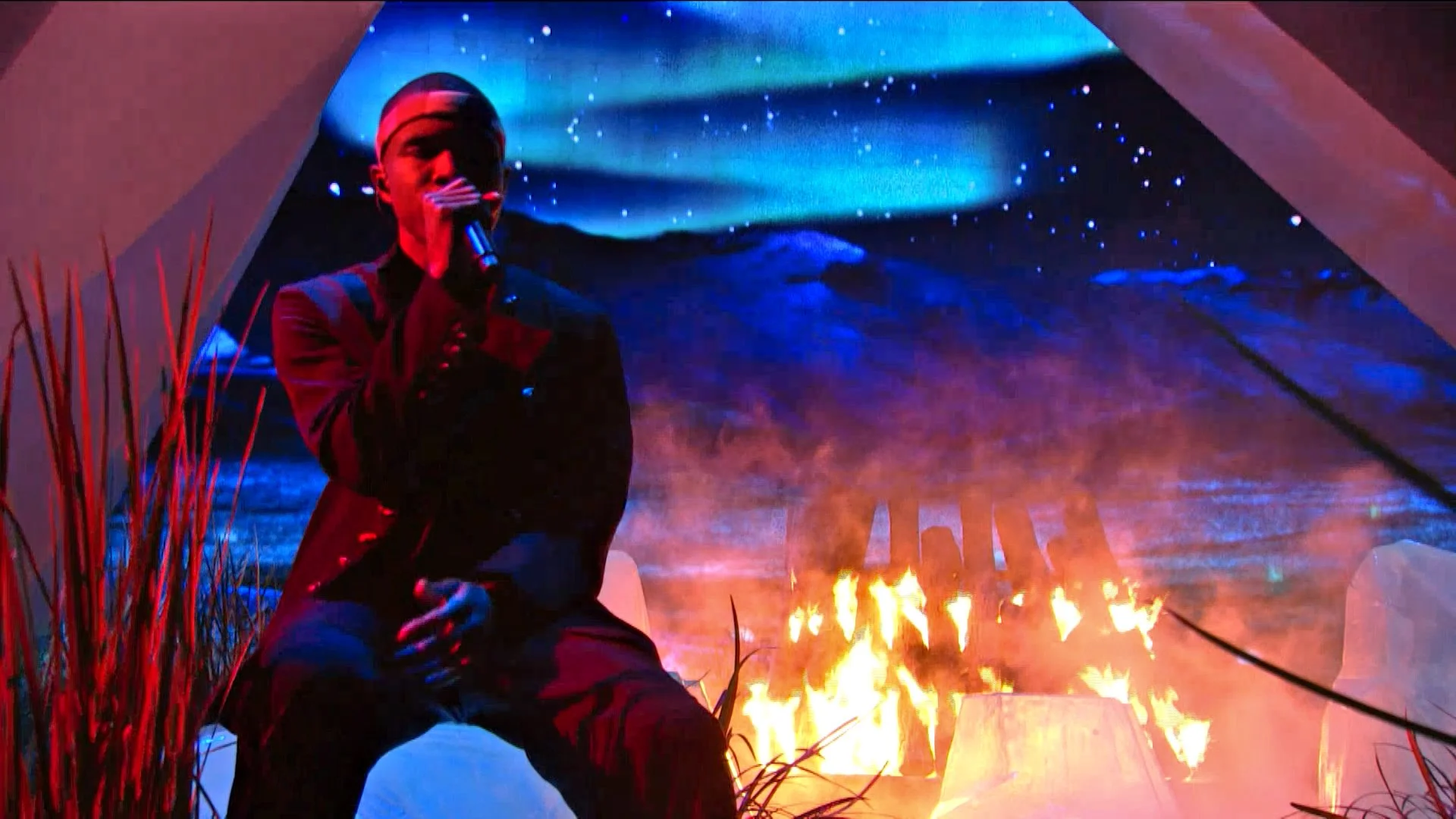
Tuesday, July 10, 2012. Following the aforementioned chain of events, Kaiyo-kun’s camp surprised everyone by releasing the album on iTunes a week ahead of the original U.S. release date. He appeared on the late-night talk show Late Night with Jimmy Fallon to perform “Bad Religion” backed by The Roots, and the very next day, he achieved the remarkable feat of hitting number one on iTunes charts in ten countries.
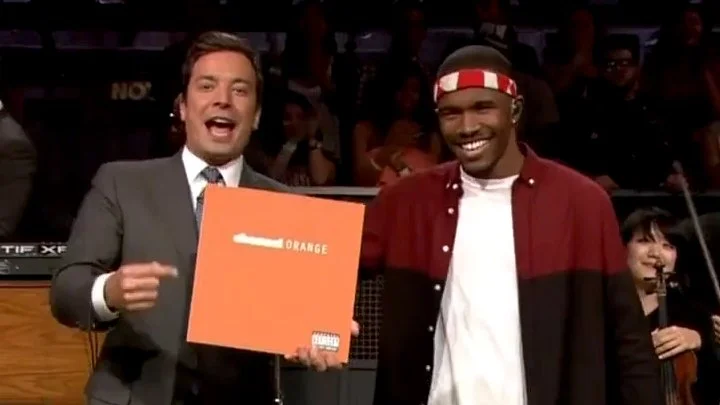
Frank Ocean smiling on TV with Jimmy Fallon; July 9, 2012.
I am writing this on July 11th—the day after that. Just a week removed from Independence Day, people who previously didn’t even know the name Odd Future are now talking about Frank Ocean and Channel Orange. That is likely a good thing. I, too, want to take a moment to settle down and dive a little deeper into him as an artist. Frank Ocean—aka Christopher Francis Ocean (after his legal name change) and originally named Christopher “Lonny” Breaux—was born in [Long Beach, California, but grew up in] New Orleans, Louisiana. It seems he moved to Los Angeles to pursue a music career after Hurricane Katrina struck his hometown [in August 2005]; calculating back, he could have been only 16 or 17 at the time. While working as a songwriter, he built relationships with producers like Midi Mafia and Tricky Stewart and began performing as a singer. The material produced during this period was compiled into The Lonny Breaux Collection and circulated online; those interested should give it a listen. The quality is surprisingly high for a collection of unreleased tracks, though it also reveals that he was making fairly conventional R&B at the time. In 2008, he contributed to songwriting under the name Christopher Breaux for the tracks “Quickly” (from John Legend’s Evolver) and “1st & Love” (from Brandy’s Human). Since Brandy is featured on “Quickly,” it is possible that she was the one who introduced him to John Legend. While casual, conversational phrasing appears in both tracks, “1st & Love” in particular bears Frank’s signature—with its ad-libs, drawn-out vocal delivery, and the phrase “intersection of 1st Street and Love”—making it feel like a song he wrote himself. In 2009, he also lent his songwriting talents to teen idol Justin Bieber for the track “Bigger.”
He began to emerge as a singer around 2009, after joining Odd Future and being introduced to Def Jam by Tricky Stewart. I hesitate to explain Odd Future—whose full name is “Odd Future Wolf Gang Kill Them All” [OFWGKTA]—to someone already holding this album, but I do want to point out that they are a Los Angeles-based hip-hop collective representing a next-generation model; it is not just their music, but their business model—leveraging the internet to build a cult-like following—that is truly innovative. Their live shows incorporate punk rock elements, and they have even been labeled “horrorcore.” As someone whose musical foundation is R&B, Frank might find the “Odd Future” label actually obscures a clear view of his musicality—a concern I voice because I, too, held preconceptions until I saw them live. However, given that Odd Future is ultimately Tyler, The Creator’s brainchild, and that Tyler seems to view Kaiyo-kun as a “big brother” figure, it feels like they maintain a mutually supportive relationship. They share a cheeky, irreverent sense of humor and a unique aesthetic, as well as a distrust of established systems and a tendency to reference drugs like cocaine; looking at the 2011 music video for Tyler’s “She,” Frank—standing in a garden at night dressed like a Cambodian boatman—fits perfectly into the “Kill Them All” family.
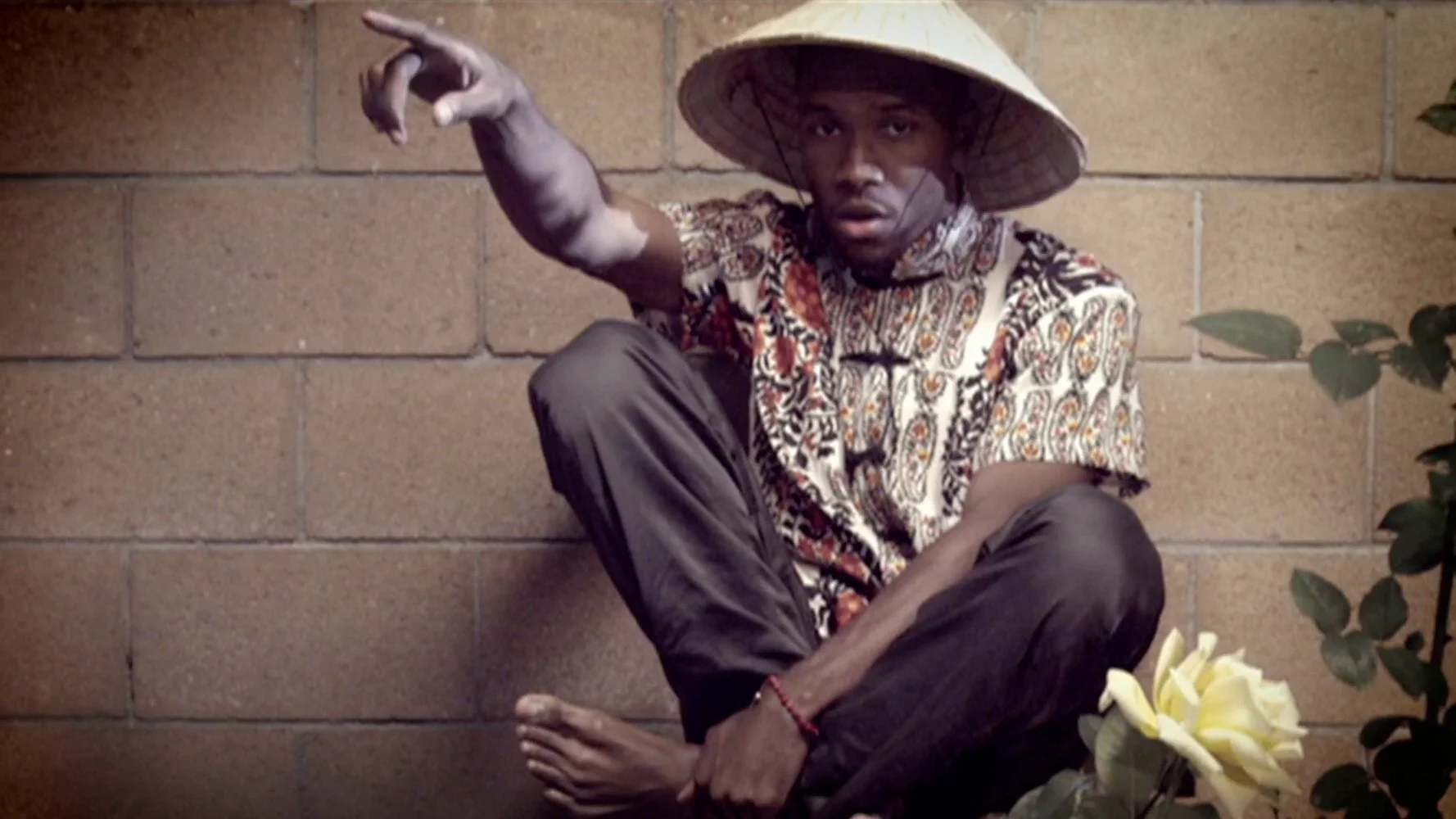
Frank Ocean in Tyler, The Creator‘s “She” music video; June 3, 2011.
That same year, Kaiyo-kun’s solo work garnered significant attention; he contributed as a songwriter and backing vocalist to “No Church In The Wild” and “Made In America” from Jay-Z & Kanye West’s Watch The Throne, and even made guest appearances on the accompanying tour in select regions. Perhaps his definitive moment as a songwriter, however, was “I Miss You” from Beyoncé’s album 4. I will never forget the visceral, spine-tingling impact I felt the first time I heard that song. The lyrics are simple—featuring colloquial English and a straightforward message about missing someone—yet the sense of longing is so intense it’s almost suffocating. It is said that Beyoncé wept the first time she heard the track. It sounds like too perfect a story, but I believe it to be true. When Beyoncé sings it, one inevitably pictures Jay-Z and might mistake it for a song about the pain a busy couple feels when they cannot see each other; however, if you listen closely, the song conveys that the pain of missing someone—regardless of who they are or whether you are physically together—is the fundamental essence of the experience. In other words, it is another variation of the romance described in Frank’s letter. It took me about a year to understand the reason behind that maddening, heart-wrenching ache.
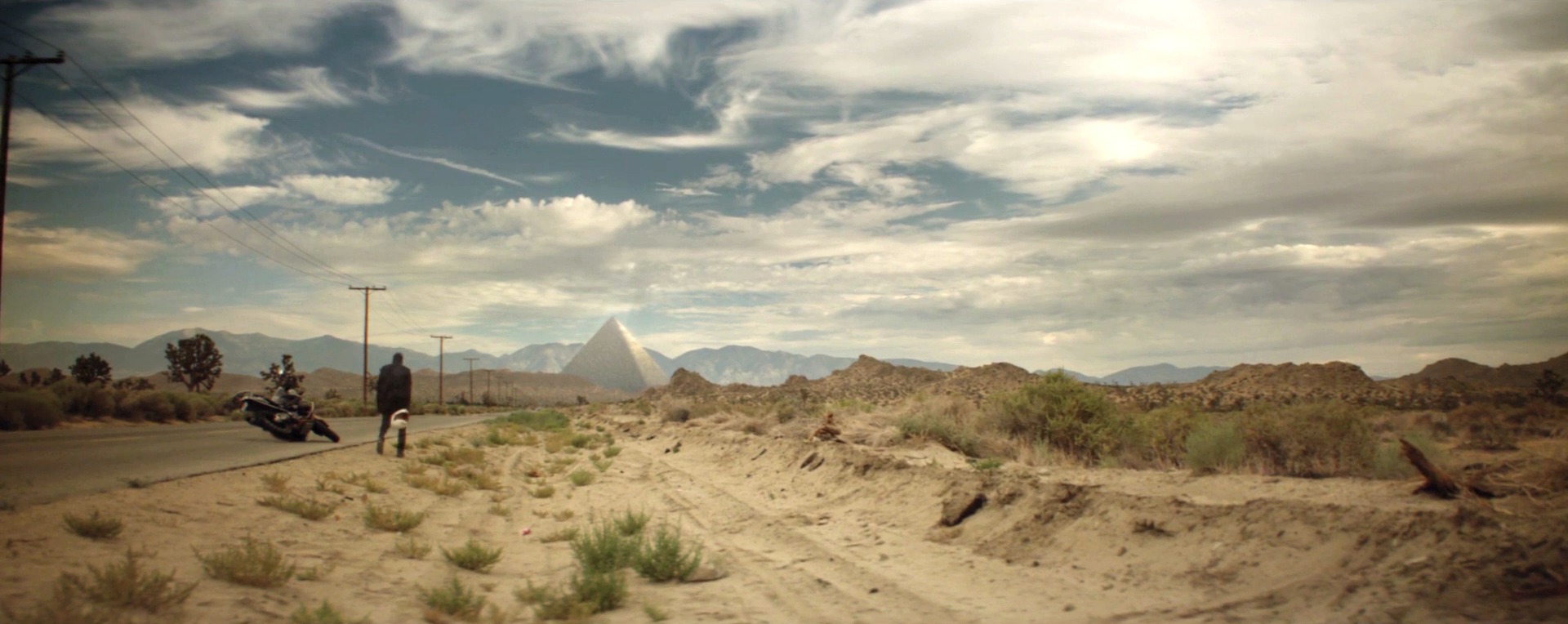
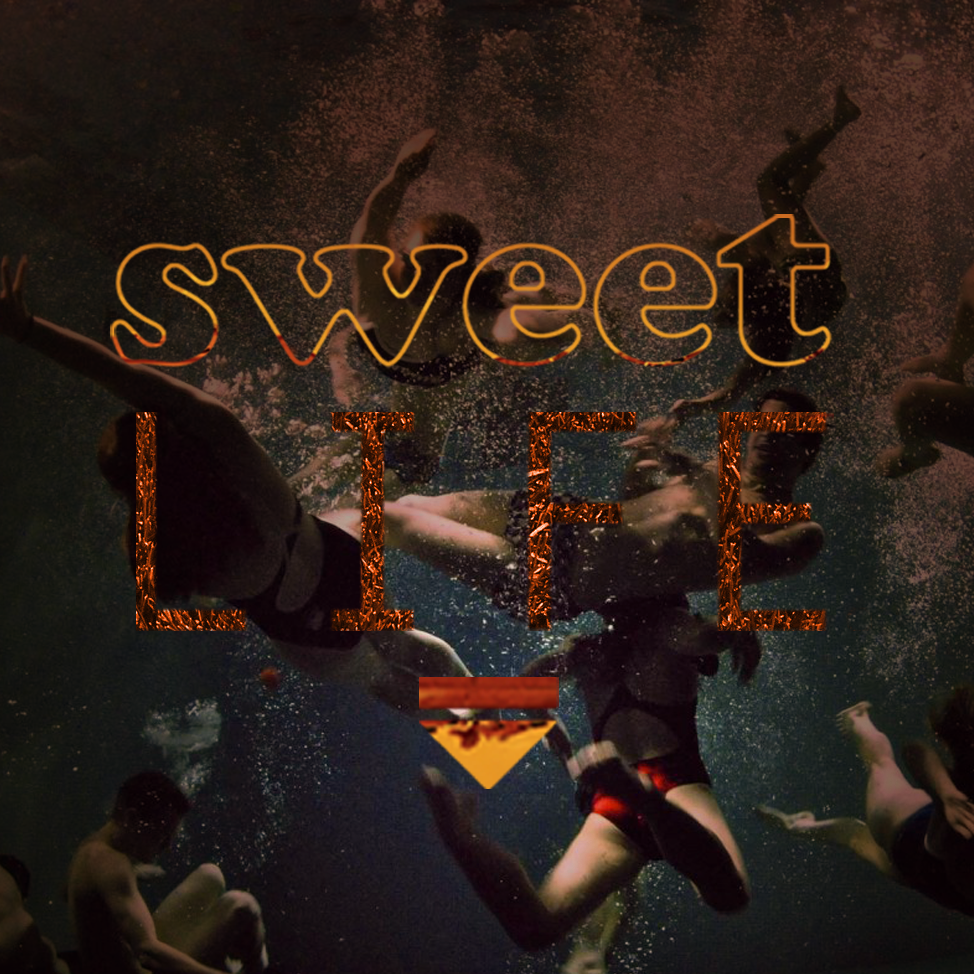
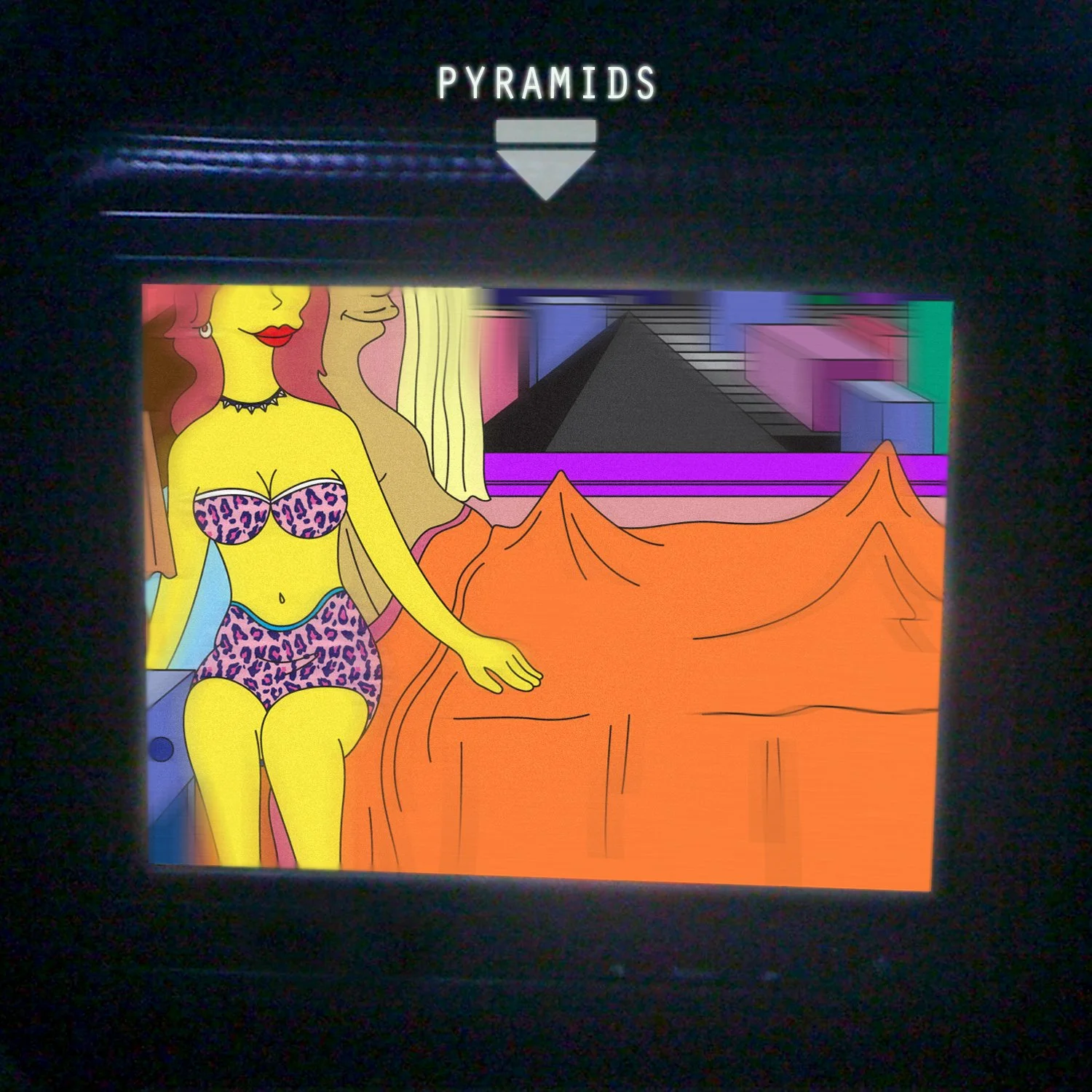
Channel Orange contains several songs inspired by that first love—and subsequent heartbreak—he experienced at nineteen: “Forrest Gump,” “Bad Religion,” and “Thinkin Bout You.” “Thinkin Bout You” was originally written for Bridget Kelly (signed to Roc Nation) and became a universally relatable classic—covered even by Justin Bieber. Frank is not merely a traditional R&B singer who endlessly immortalizes his own romantic experiences in song; he is also adept at telling short stories through his music, much like a novelist. There are recurring patterns in the scenes and characters that populate his work. Tracks like “Sweet Life” (co-produced by Pharrell Williams) and “Super Rich Kids” (featuring Odd Future’s Earl Sweatshirt) depict the decadent lifestyles found in California’s affluent neighborhoods. “Super Rich Kids” evokes the likes of F. Scott Fitzgerald’s The Great Gatsby and Bret Easton Ellis’ Less Than Zero, featuring a protagonist who gets so high that he slips off a roof and falls to his death. “Pyramids” shifts from a tale about an Egyptian queen to a story about a stripper who appears to be supporting a pimp; the character in “Lost” seems to be an international drug dealer; “Pilot Jones” employs a metaphor—common in rock and reggae—likening drugs to a woman; and “Crack Rock” tells the story of someone whose life is ruined by excessive crack use. However, according to a New York Times article, Frank has a harrowing past—having accompanied his [formerly] drug-addicted grandfather to rehab [Alcoholics/Narcotics Anonymous] meetings as a child—and has even tweeted that marijuana is banned while on tour. He also excels at shifting scenarios mid-song, as if flipping the stage set; in addition to the aforementioned “Pyramids,” the track “Monks”—which captures the vibe of an Odd Future tour—suddenly transforms into a story about a wild, high-speed getaway. His use of sound effects and interludes is also superb: Nostalgia, Ultra featured the clanking sounds of a cassette player, while this album incorporates the startup sound of a home video game console.
While this album is largely a manifestation of Frank Ocean’s vision, thoughts, and musicianship, he is certainly supported by a cast of collaborators. Producer and writer James Ryan Ho [aka Malay] served as his right-hand man, handling the instrumentation, with additional credits going to veteran songwriter Shea Taylor and former Underdogs member James Fauntleroy. The guest lineup is impressive, including André 3000 [rapping in “Pink Matter”], John Mayer on guitar [in “Pyramids” and “White”], and Lalah Hathaway providing backing vocals [in “Monks”]. Most of the tracks were created at the historic EastWest Studios in Hollywood, where he reportedly favored using the facility’s vintage equipment. If a nostalgic West Coast—or distinctly American—vibe runs through the album, it is likely due to this meticulous attention to the recording environment. The interlude “Fertilizer” sounds like the Sesame Street theme song, and I view Frank Ocean as a quintessentially American artist who excels at consciously capturing the essence of Americana.
That said, consider the incident involving “American Wedding” from Nostalgia, Ultra; he used the Eagles’ “Hotel California” instrumental outright, drawing complaints from the legendary band [Don Henley]. Yet, while performing on stage, he pretended to play a popular video game [Guitar Hero] while singing the song—implicitly suggesting that he liked it not as an Eagles hit, but as a track featured in the game.

Frank Ocean singing “American Wedding” while pretending to play “Hotel California” by Eagles on Guitar Hero; November 2011.
He might well be laughing somewhere at the various people—myself included—who analyze and discuss his work with such earnestness. Incidentally, the executive producer of this album is his beloved dog, Everest [2011–2017].
Finally, let me touch upon his tour last November [2011]. He opened the show with Sade’s “By Your Side.” Throughout the set, he covered his own material—including “I Miss You”—with great passion, occasionally playing the keyboard. To be honest, I didn’t view him as a vocal powerhouse in the technical sense, but I was impressed by his profound musicality and soulfulness—qualities that cannot be acquired through study alone. Given the controversies and the timing of events, there is no doubt that he is a man loved by the goddess of music. Frank Ocean is still only 24 years old. This marks his first “official” [commercial] release, and—as he himself has noted—there is an element of uncertainty about what lies ahead. In many ways, he may well be someone who is “ahead of his time.” Yet, with Channel Orange—an album that is perfect because of Frank’s uncertainty in his pursuit of musicality—he achieved something enduring: vividly demonstrating that, regardless of sexuality, the colors of human affection and love are one and the same. In that sense, this is significant work. For the time being, I want to tune in to the channel he has set and fully immerse myself in this orange-hued world.
Enjoy.
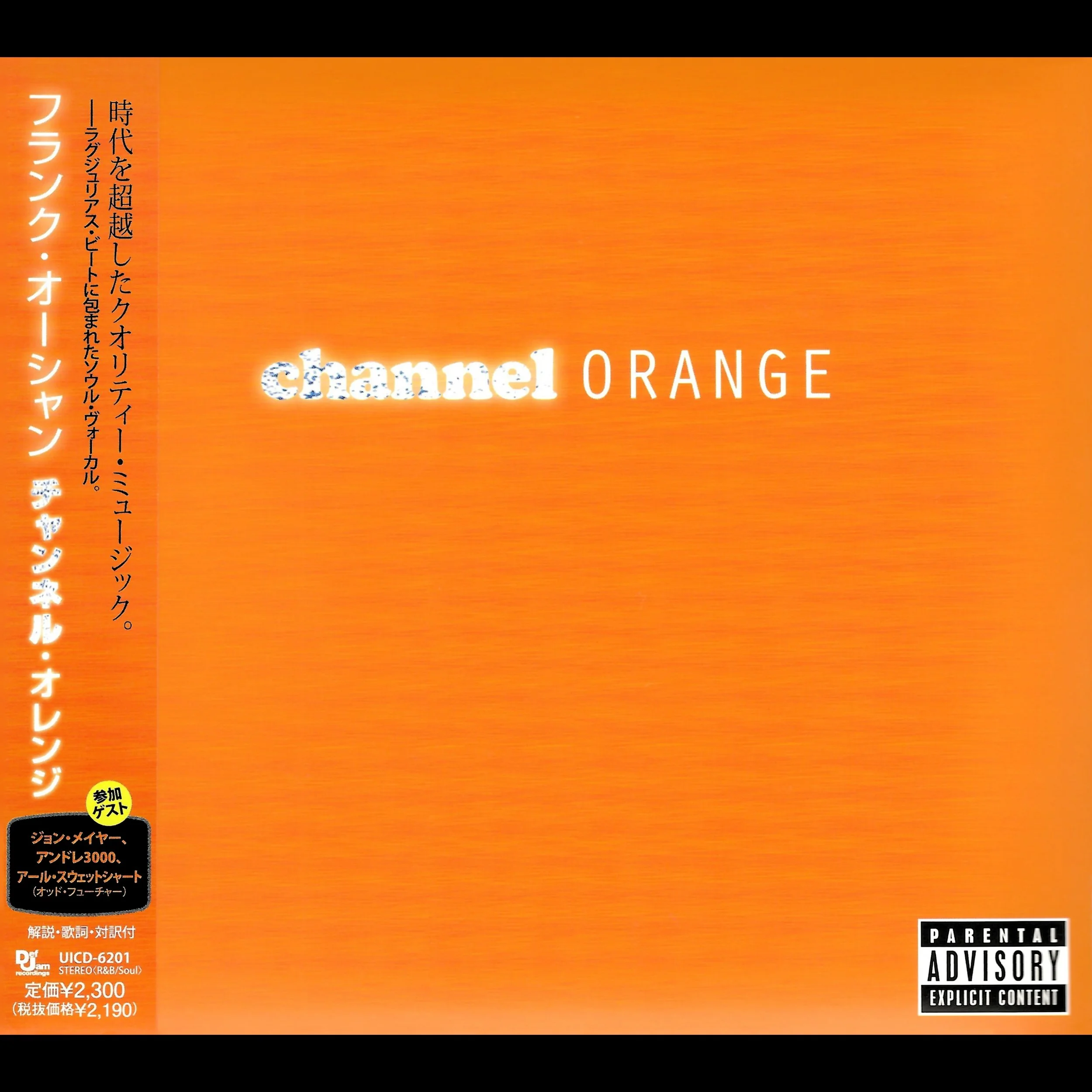
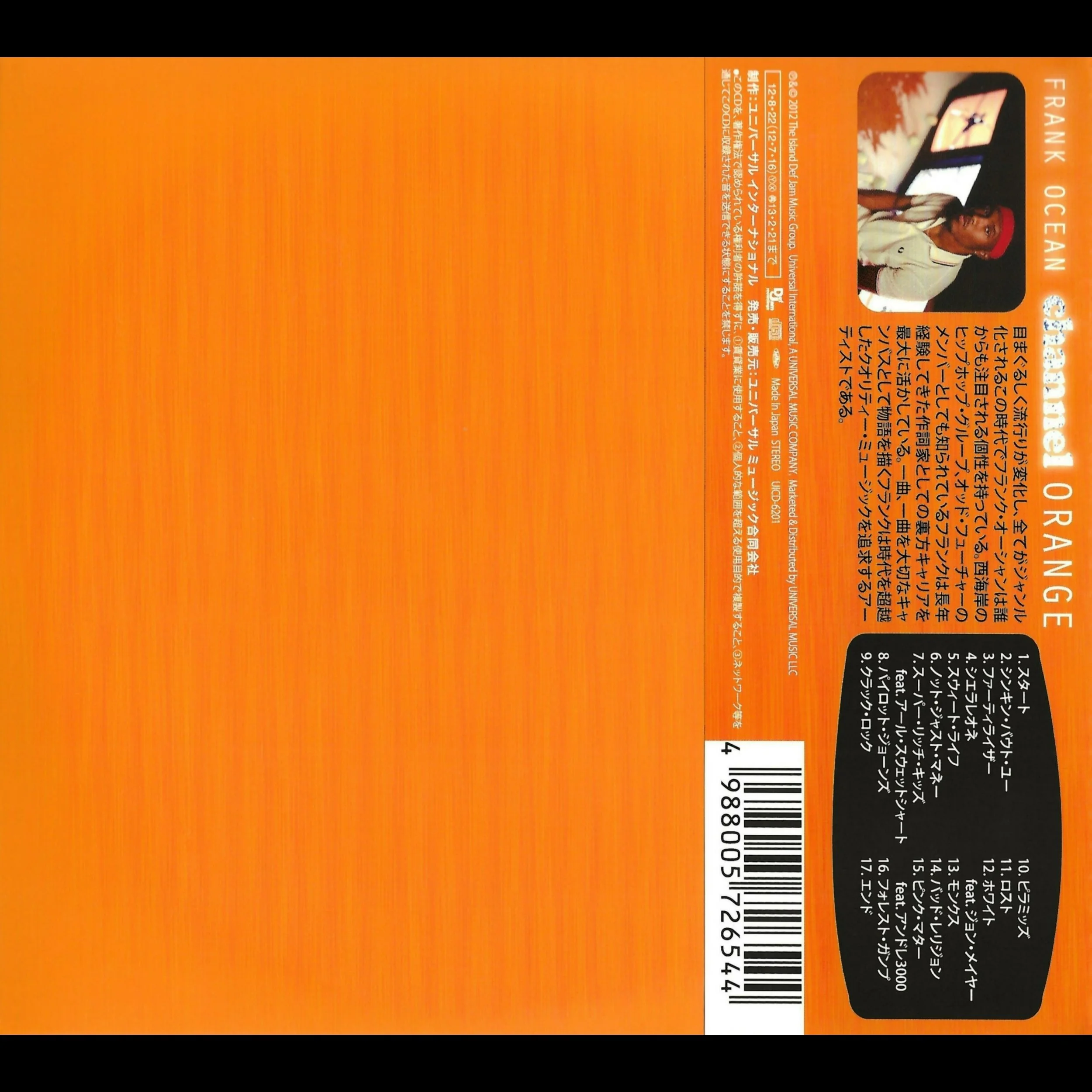
CHANNEL ORANGE CD SCANS:
CAT# UICD-6201

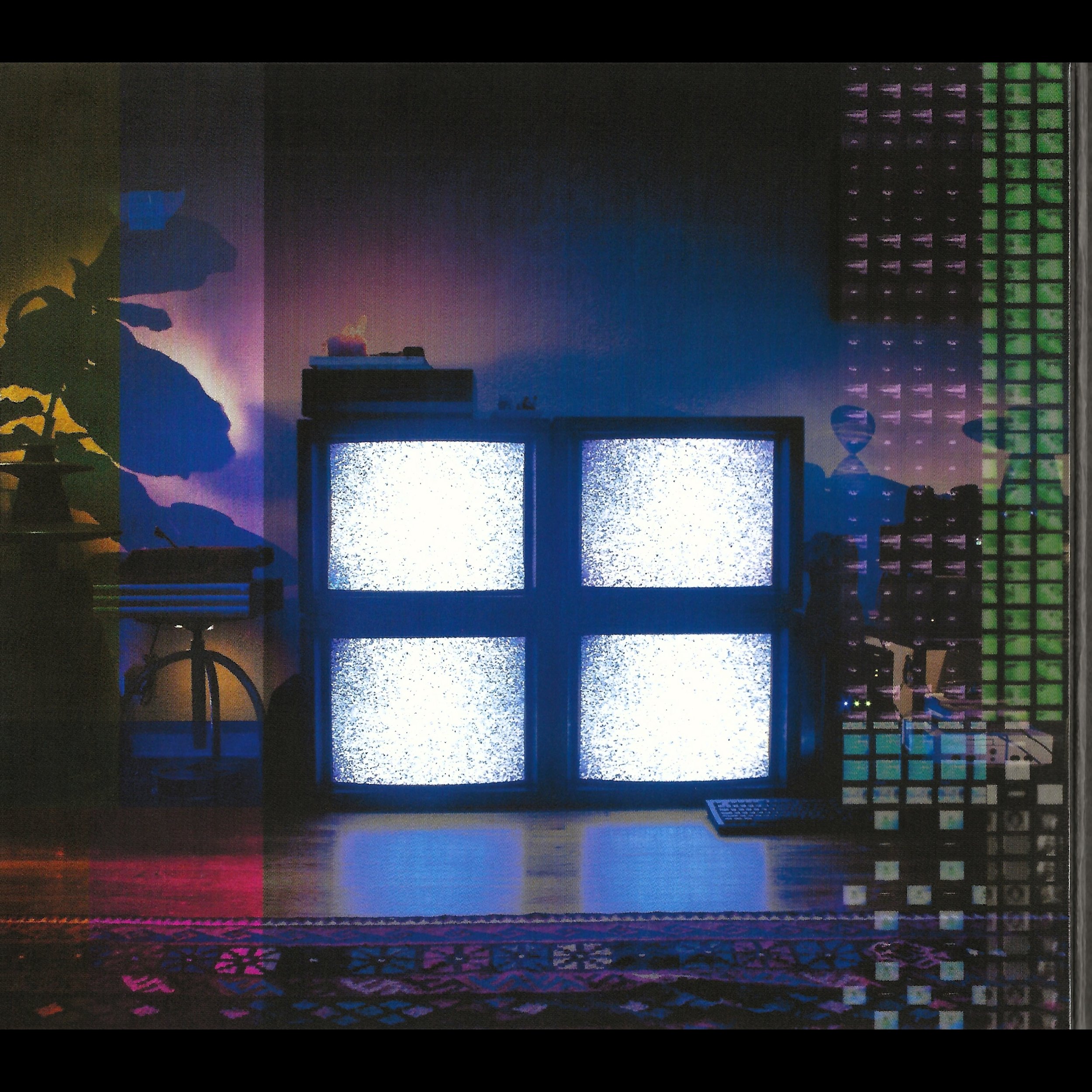
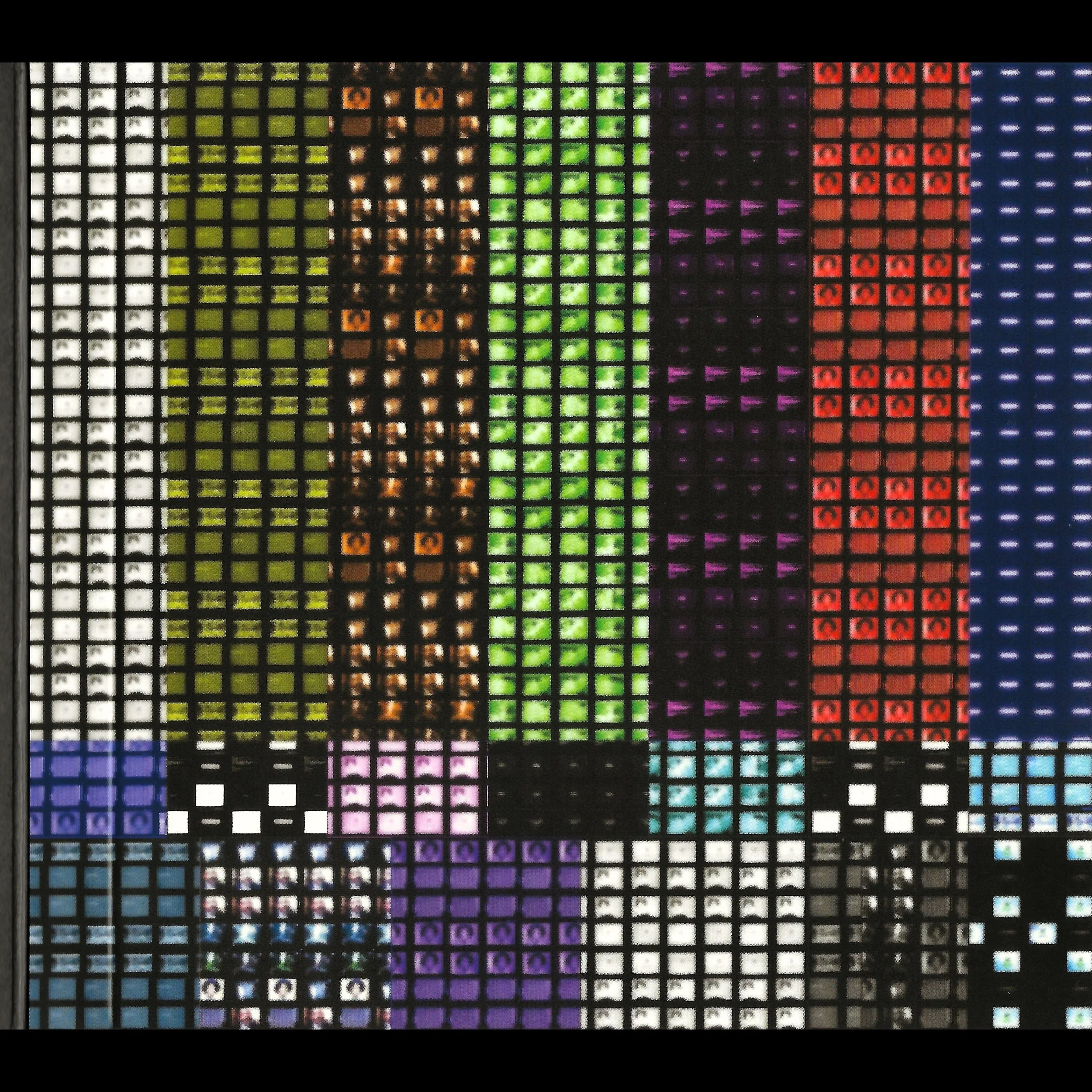
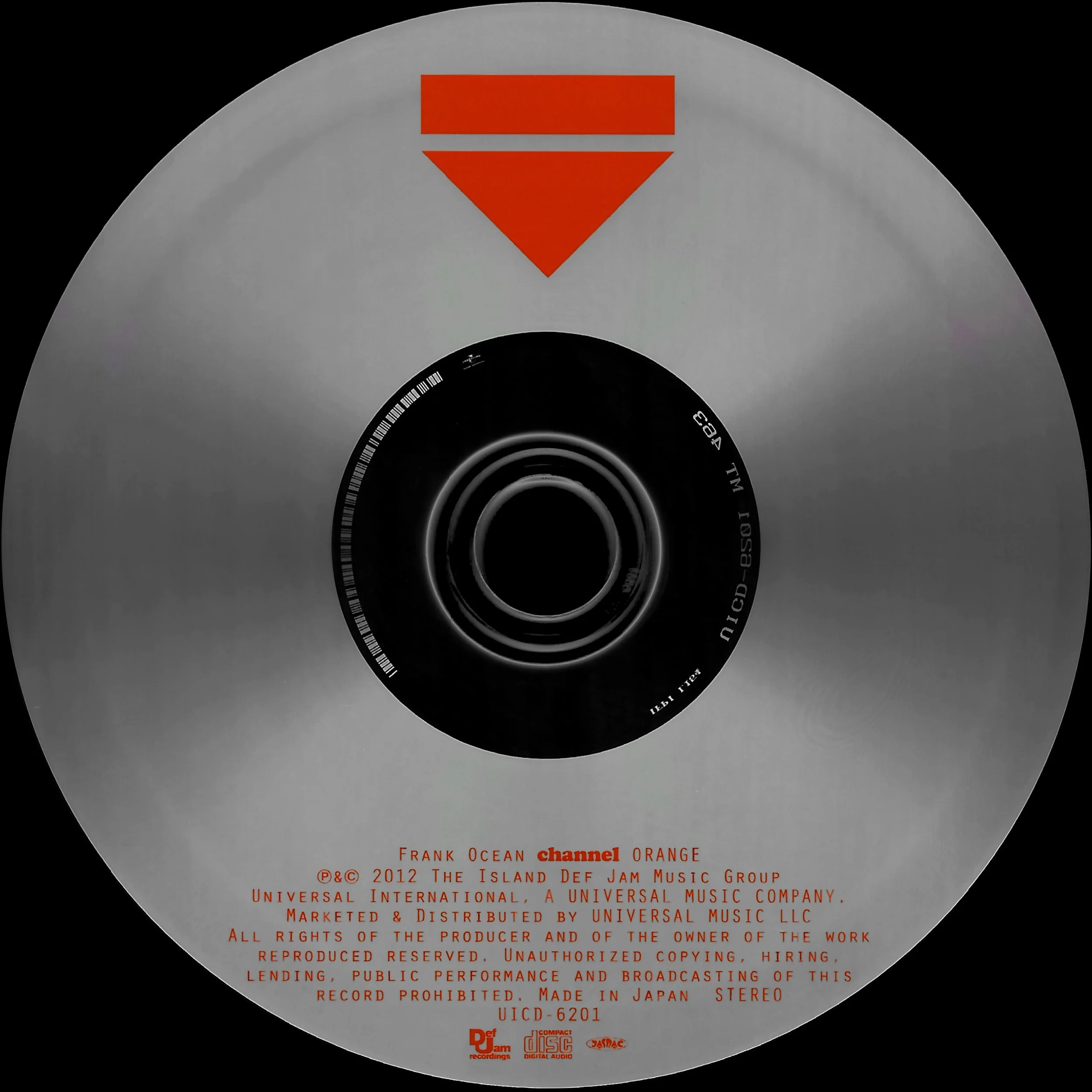
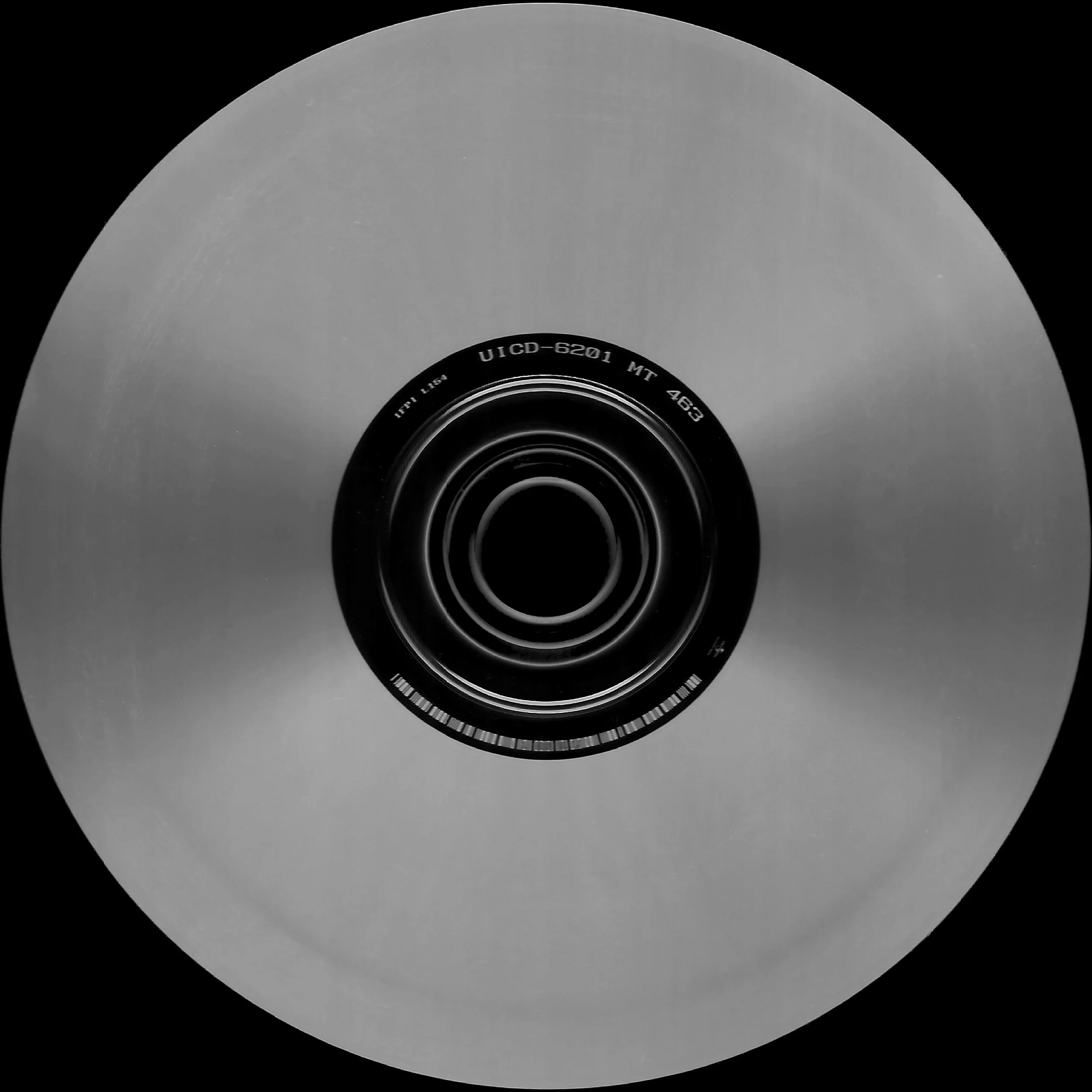
ENGLISH LYRIC BOOKLET (PP. 1–16)
![cO [2 - CD Version — 4 - Booklet — 1 - Mfd. in NA — 01 - Front Cover].jpg](https://images.squarespace-cdn.com/content/v1/597febe6725e2529bad5fc50/753a89d5-3c89-41b4-aa18-02ddfa365dbd/cO+%5B2+-+CD+Version+%E2%80%94+4+-+Booklet+%E2%80%94+1+-+Mfd.+in+NA+%E2%80%94+01+-+Front+Cover%5D.jpg)
![cO [2 - CD Version — 4 - Booklet — 1 - Mfd. in NA — 02 - Start, TBU, Fertilizer, SieL, & SwL].jpg](https://images.squarespace-cdn.com/content/v1/597febe6725e2529bad5fc50/77a3d6f9-b657-4c39-8a4b-e44aad42d4f3/cO+%5B2+-+CD+Version+%E2%80%94+4+-+Booklet+%E2%80%94+1+-+Mfd.+in+NA+%E2%80%94+02+-+Start%2C+TBU%2C+Fertilizer%2C+SieL%2C+%26+SwL%5D.jpg)
![cO [2 - CD Version — 4 - Booklet — 1 - Mfd. in NA — 03 - SwL, NJM, & SRK].jpg](https://images.squarespace-cdn.com/content/v1/597febe6725e2529bad5fc50/0eddb681-60cf-4e0a-9148-f481c0879d23/cO+%5B2+-+CD+Version+%E2%80%94+4+-+Booklet+%E2%80%94+1+-+Mfd.+in+NA+%E2%80%94+03+-+SwL%2C+NJM%2C+%26+SRK%5D.jpg)
![cO [2 - CD Version — 4 - Booklet — 1 - Mfd. in NA — 04 - SRK & PJ].jpg](https://images.squarespace-cdn.com/content/v1/597febe6725e2529bad5fc50/1c5dc8ef-0dfe-4b06-8ce0-d1034ef33757/cO+%5B2+-+CD+Version+%E2%80%94+4+-+Booklet+%E2%80%94+1+-+Mfd.+in+NA+%E2%80%94+04+-+SRK+%26+PJ%5D.jpg)
![cO [2 - CD Version — 4 - Booklet — 1 - Mfd. in NA — 05 - PJ, CR, & Pyramids].jpg](https://images.squarespace-cdn.com/content/v1/597febe6725e2529bad5fc50/b47f77b7-d3e6-4a62-847e-f9a0adbd5804/cO+%5B2+-+CD+Version+%E2%80%94+4+-+Booklet+%E2%80%94+1+-+Mfd.+in+NA+%E2%80%94+05+-+PJ%2C+CR%2C+%26+Pyramids%5D.jpg)
![cO [2 - CD Version — 4 - Booklet — 1 - Mfd. in NA — 06 - Pyramids].jpg](https://images.squarespace-cdn.com/content/v1/597febe6725e2529bad5fc50/e095b750-2879-413d-95f8-3c6724f6574d/cO+%5B2+-+CD+Version+%E2%80%94+4+-+Booklet+%E2%80%94+1+-+Mfd.+in+NA+%E2%80%94+06+-+Pyramids%5D.jpg)
![cO [2 - CD Version — 4 - Booklet — 1 - Mfd. in NA — 07 - Pyramids, Lost, White, & Monks].jpg](https://images.squarespace-cdn.com/content/v1/597febe6725e2529bad5fc50/764ea87b-4d08-40d2-9728-170ad3f1c422/cO+%5B2+-+CD+Version+%E2%80%94+4+-+Booklet+%E2%80%94+1+-+Mfd.+in+NA+%E2%80%94+07+-+Pyramids%2C+Lost%2C+White%2C+%26+Monks%5D.jpg)
![cO [2 - CD Version — 4 - Booklet — 1 - Mfd. in NA — 08 - Monks, BR, & PM].jpg](https://images.squarespace-cdn.com/content/v1/597febe6725e2529bad5fc50/28e636e8-096b-44d7-b443-a60787749cfe/cO+%5B2+-+CD+Version+%E2%80%94+4+-+Booklet+%E2%80%94+1+-+Mfd.+in+NA+%E2%80%94+08+-+Monks%2C+BR%2C+%26+PM%5D.jpg)
![cO [2 - CD Version — 4 - Booklet — 1 - Mfd. in NA — 09 - PM, FG, & End].jpg](https://images.squarespace-cdn.com/content/v1/597febe6725e2529bad5fc50/40ae1d1a-7058-43e2-9816-7d8e204c2a1e/cO+%5B2+-+CD+Version+%E2%80%94+4+-+Booklet+%E2%80%94+1+-+Mfd.+in+NA+%E2%80%94+09+-+PM%2C+FG%2C+%26+End%5D.jpg)
![cO [2 - CD Version — 4 - Booklet — 1 - Mfd. in NA — 10 - PSone — 1].jpg](https://images.squarespace-cdn.com/content/v1/597febe6725e2529bad5fc50/566dedd7-ce01-4548-b334-905848c43374/cO+%5B2+-+CD+Version+%E2%80%94+4+-+Booklet+%E2%80%94+1+-+Mfd.+in+NA+%E2%80%94+10+-+PSone+%E2%80%94+1%5D.jpg)
![cO [2 - CD Version — 4 - Booklet — 1 - Mfd. in NA — 11 - PSone — 2].jpg](https://images.squarespace-cdn.com/content/v1/597febe6725e2529bad5fc50/9de2d089-d988-459d-81a0-f67c80a3c13d/cO+%5B2+-+CD+Version+%E2%80%94+4+-+Booklet+%E2%80%94+1+-+Mfd.+in+NA+%E2%80%94+11+-+PSone+%E2%80%94+2%5D.jpg)
![cO [2 - CD Version — 4 - Booklet — 1 - Mfd. in NA — 12 - Credits — 1].jpg](https://images.squarespace-cdn.com/content/v1/597febe6725e2529bad5fc50/801677e8-127f-4427-95db-3c3f5edefa55/cO+%5B2+-+CD+Version+%E2%80%94+4+-+Booklet+%E2%80%94+1+-+Mfd.+in+NA+%E2%80%94+12+-+Credits+%E2%80%94+1%5D.jpg)
![cO [2 - CD Version — 4 - Booklet — 1 - Mfd. in NA — 13 - Credits — 2].jpg](https://images.squarespace-cdn.com/content/v1/597febe6725e2529bad5fc50/554d1c57-fadb-4894-b63e-2aec030437eb/cO+%5B2+-+CD+Version+%E2%80%94+4+-+Booklet+%E2%80%94+1+-+Mfd.+in+NA+%E2%80%94+13+-+Credits+%E2%80%94+2%5D.jpg)
![cO [2 - CD Version — 4 - Booklet — 1 - Mfd. in NA — 14 - Frank_s Letter].jpg](https://images.squarespace-cdn.com/content/v1/597febe6725e2529bad5fc50/69de5eac-3d66-4ce9-8520-3a38ab9983a6/cO+%5B2+-+CD+Version+%E2%80%94+4+-+Booklet+%E2%80%94+1+-+Mfd.+in+NA+%E2%80%94+14+-+Frank_s+Letter%5D.jpg)
![cO [2 - CD Version — 4 - Booklet — 1 - Mfd. in NA — 15 - Kapukon Yu].jpg](https://images.squarespace-cdn.com/content/v1/597febe6725e2529bad5fc50/9273a22b-6986-48e6-9bbb-eeae8d658e3f/cO+%5B2+-+CD+Version+%E2%80%94+4+-+Booklet+%E2%80%94+1+-+Mfd.+in+NA+%E2%80%94+15+-+Kapukon+Yu%5D.jpg)
![cO [2 - CD Version — 4 - Booklet — 3 - Mfd. in JP — 1 - EN BL — 2 - Back Cover].jpg](https://images.squarespace-cdn.com/content/v1/597febe6725e2529bad5fc50/1769624761593-U4NBYYPYMYG5XTKADGNF/cO+%5B2+-+CD+Version+%E2%80%94+4+-+Booklet+%E2%80%94+3+-+Mfd.+in+JP+%E2%80%94+1+-+EN+BL+%E2%80%94+2+-+Back+Cover%5D.jpg)
Note: The English lyric booklet is identical to the insert included with other CD editions of Channel Orange. It does not feature Minako Ikeshiro’s foreword.
JAPANESE LYRIC BOOKLET (PP. 1–16)
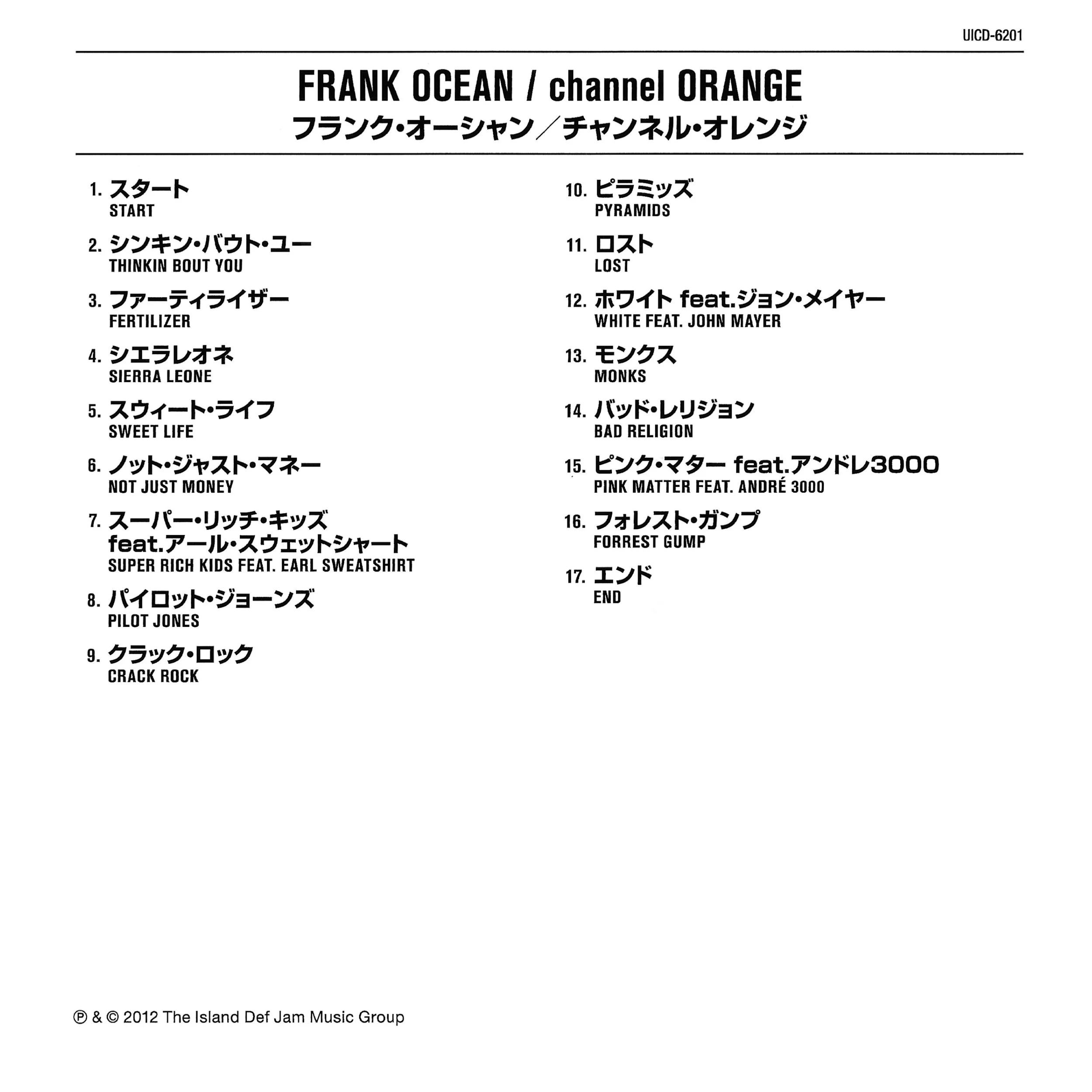
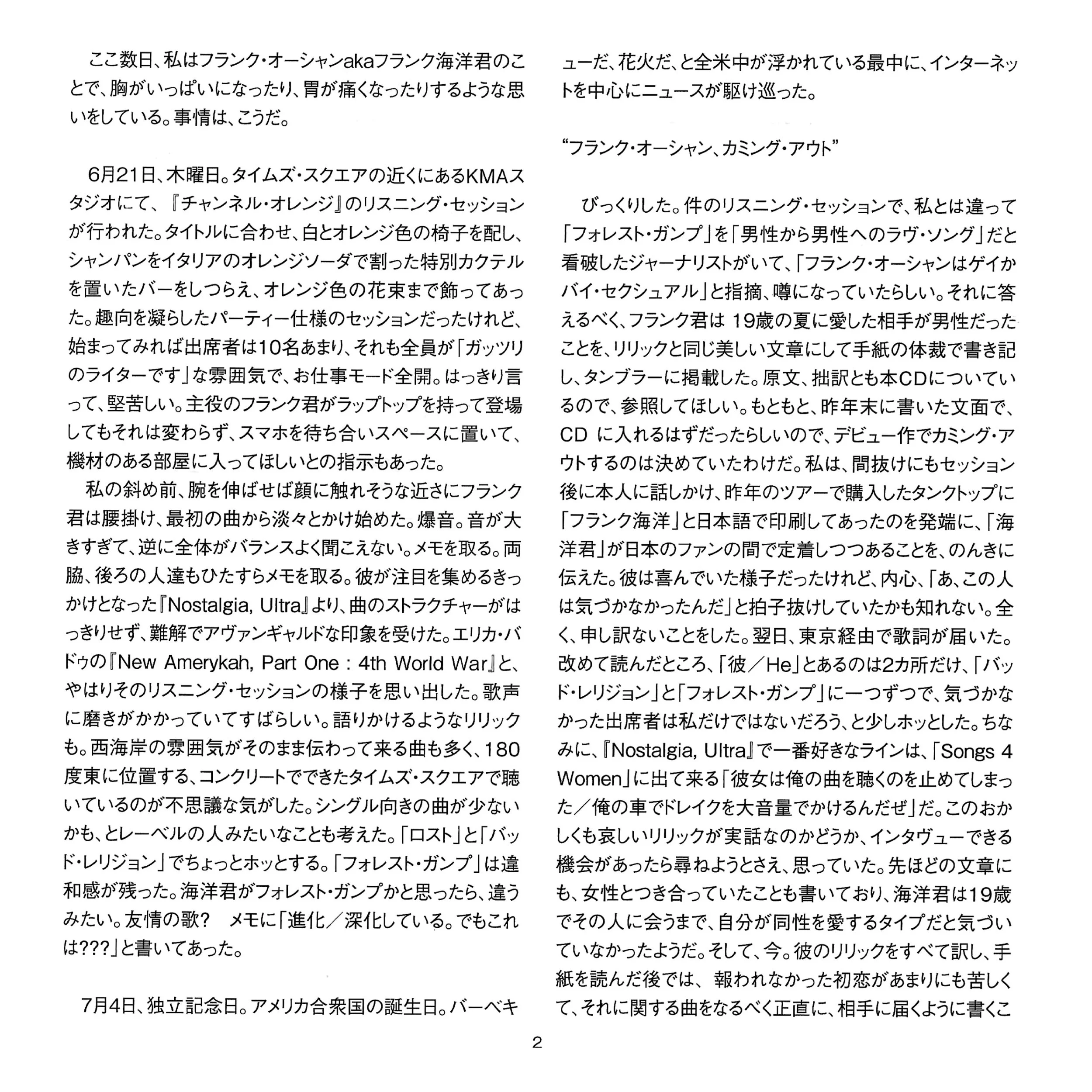


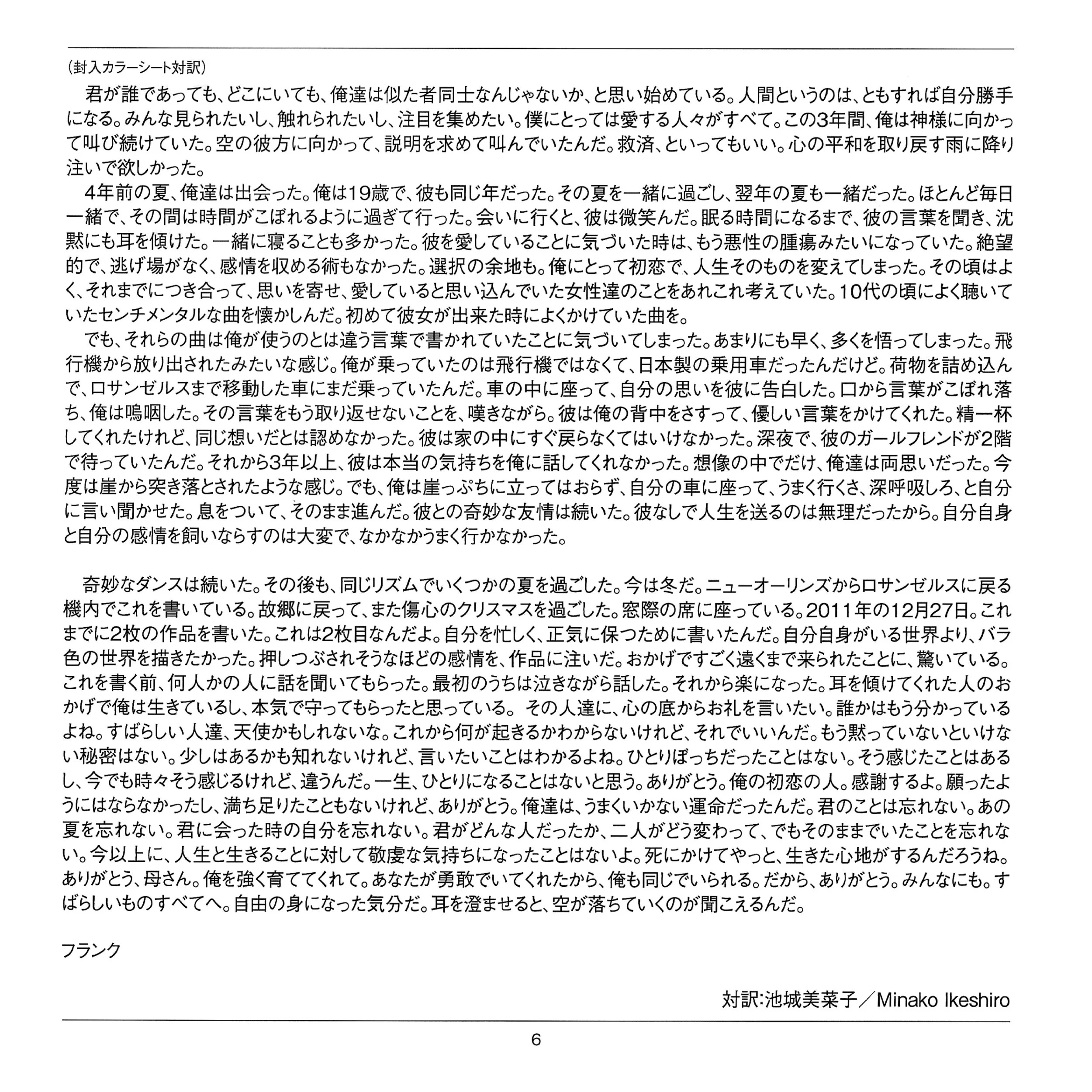

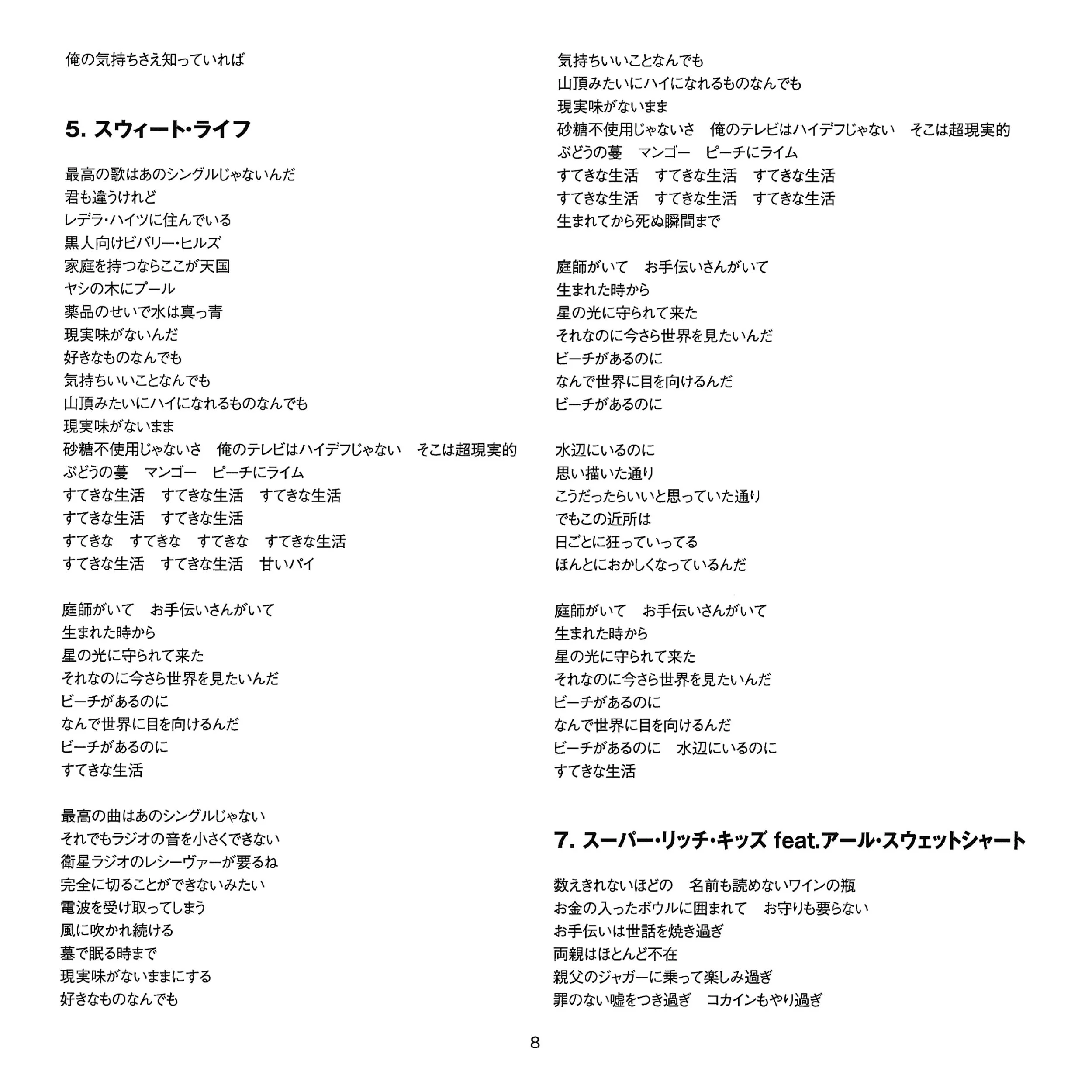


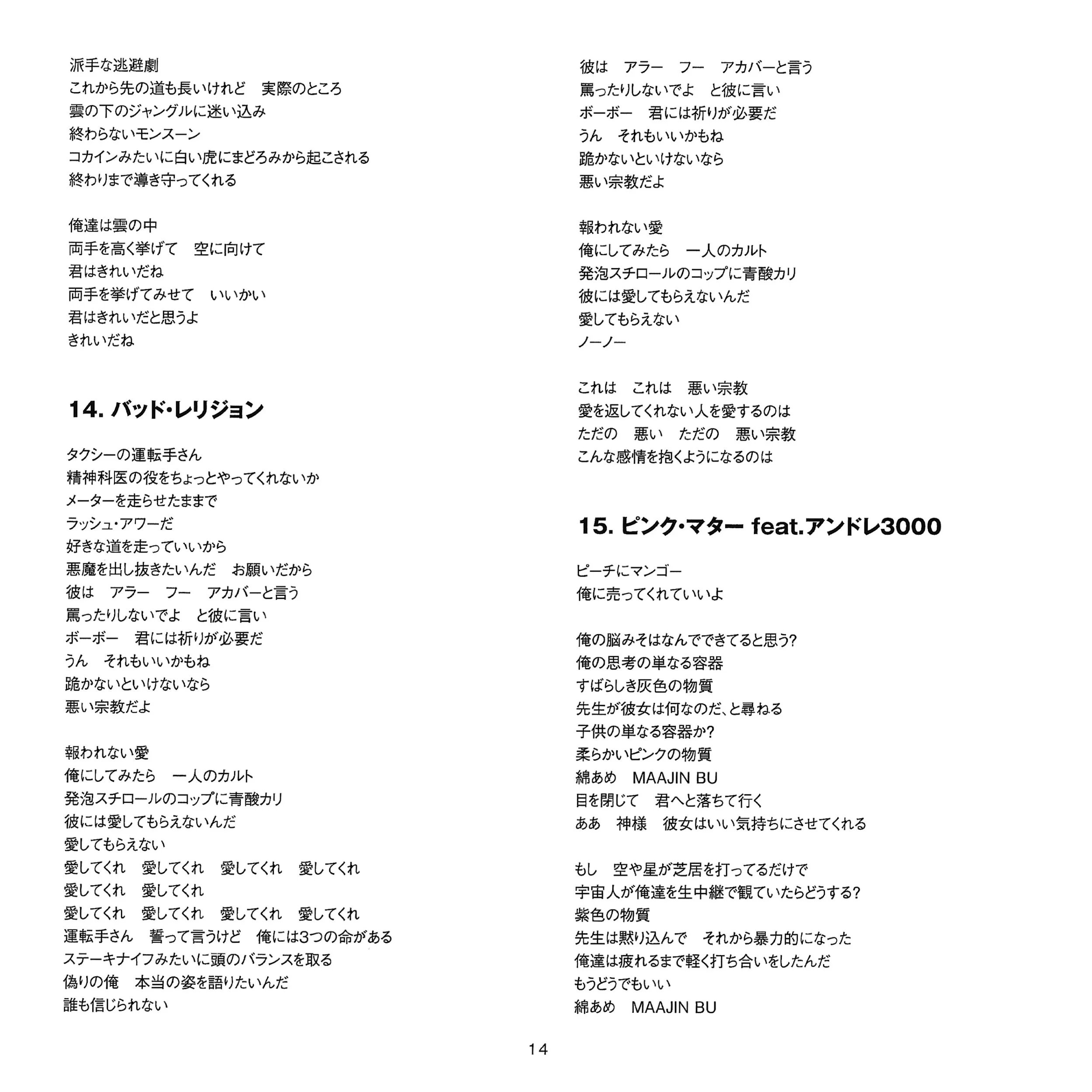

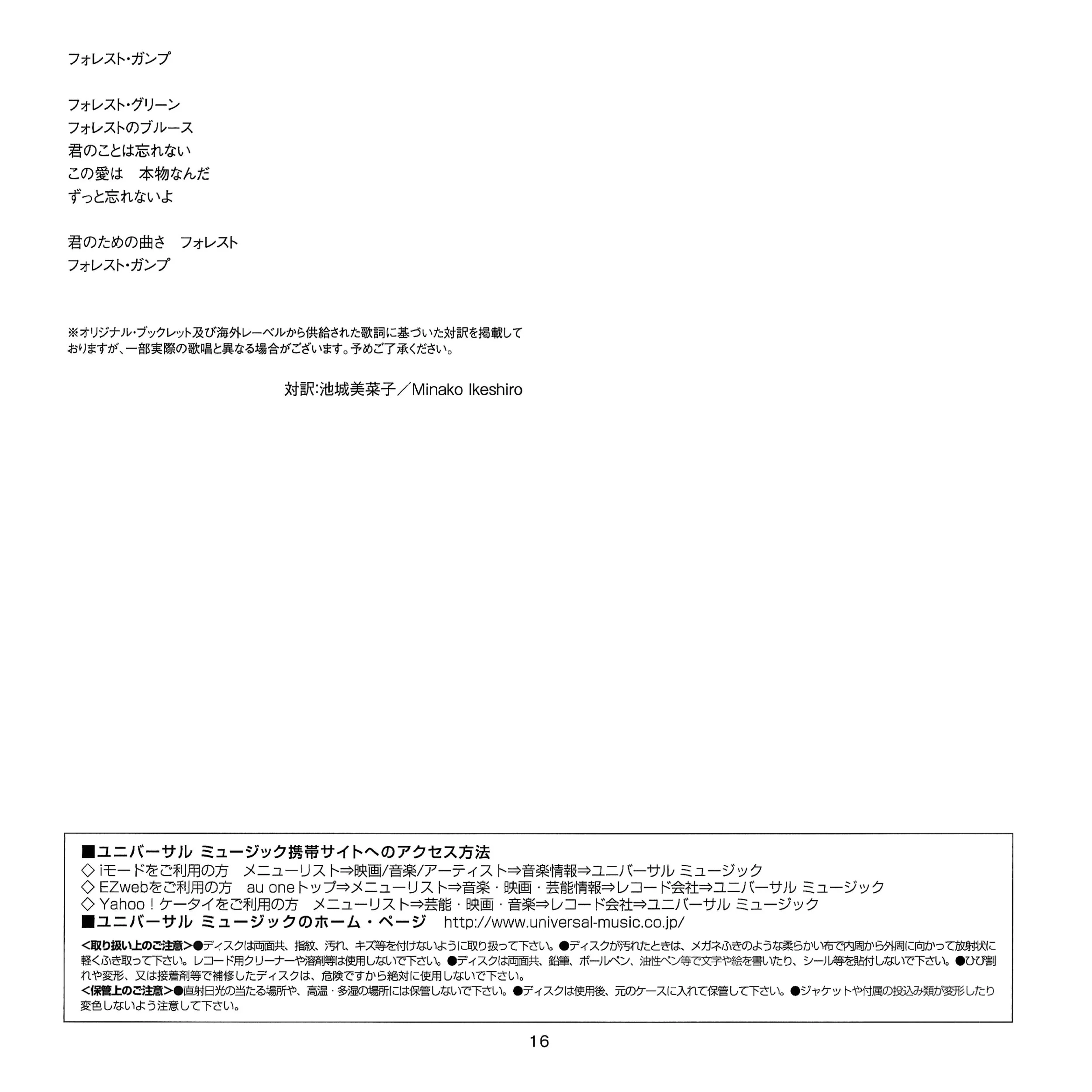
Note: For Japanese readers, Minako Ikeshiro’s translations of the lyrics and Frank Ocean’s open letter have been transcribed by Odysseus on Genius.com.
OBI STRIP & TRANSLATION BY JUNO
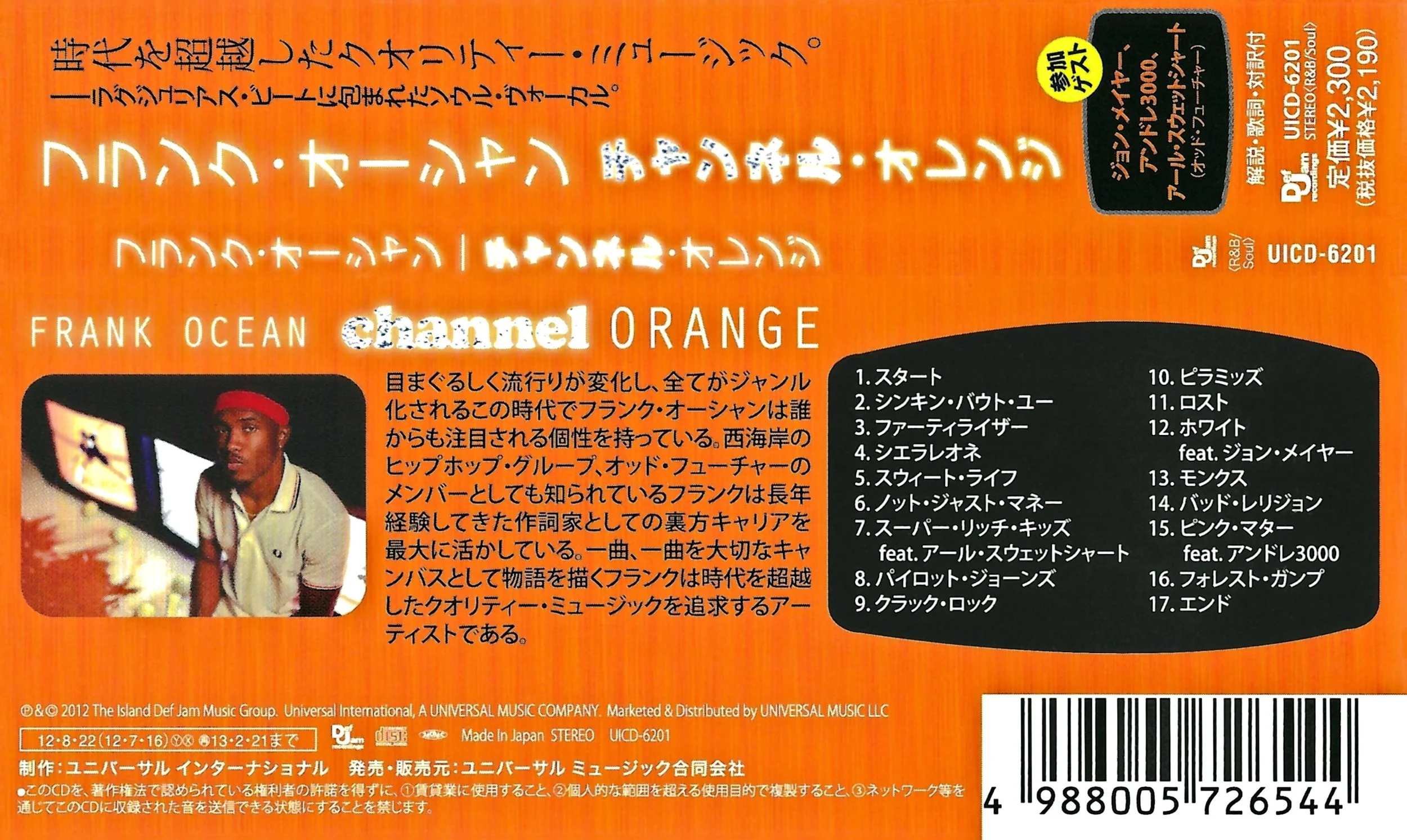
Timeless quality music.
—Soul vocals wrapped in luxurious beats.In an era of constantly shifting trends where everything gets categorized into genres, Frank Ocean possesses a distinct individuality that draws everyone’s attention. Also known as a member of the West Coast hip-hop group Odd Future, Frank makes full use of his long career as one of the hottest songwriters. Treating each song as a precious canvas on which to paint a story, Frank is an artist in pursuit of timeless, quality music.
JAPANESE TRANSCRIPT:
WRITTEN BY MINAKO IKESHIRO (PP. 2–5)
ここ数日、私はフランク・オーシャンakaフランク海洋君のことで、胸がいっぱいになったり、胃が痛くなったりするような思いをしている。事情は、こうだ。
6月21日、木曜日。タイムズ・スクエアの近くにあるKMAスタジオにて、『チャンネル・オレンジ』のリスニング・セッションが行われた。タイトルに合わせ、白とオレンジ色の椅子を配し、シャンパンをイタリアのオレンジソーダで割った特別カクテルを置いたバーをしつらえ、オレンジ色の花束まで飾ってあった。趣向を凝らしたパーティー仕様のセッションだったけれど、始まってみれば出席者は10名あまり、それも全員が「ガッツリのライターです」な雰囲気で、お仕事モード全開。はっきり言って、堅苦しい。主役のフランク君がラップトップを持って登場してもそれは変わらず、スマホを待ち合いスペースに置いて、機材のある部屋に入ってほしいとの指示もあった。
私の斜め前、腕を伸ばせば顔に触れそうな近さにフランク君は腰掛け、最初の曲から淡々とかけ始めた。爆音。音が大きすぎて、逆に全体がバランスよく聞こえない。メモを取る。両脇、後ろの人達もひたすらメモを取る。彼が注目を集めるきっかけとなった『Nostalgia, Ultra』より、曲のストラクチャーがはっきりせず、難解でアヴァンギャルドな印象を受けた。エリカ・バドゥの『New Amerykah, Part One: 4th World War』と、やはりそのリスニング・セッションの様子を思い出した。歌声に磨きがかかっていてすばらしい。語りかけるようなリリックも。西海岸の雰囲気がそのまま伝わって来る曲も多く、180度東に位置する、コンクリートでできたタイムズ・スクエアで聴いているのが不思議な気がした。シングル向きの曲が少ないかも、とレーベルの人みたいなことも考えた。「ロスト」と「バッド・レリジョン」でちょっとホッとする。「フォレスト・ガンプ」は違和感が残った。海洋君がフォレスト・ガンプかと思ったら、違うみたい。友情の歌?メモに「進化/深化している。でもこれは???」と書いてあった。
7月4日、独立記念日。アメリカ合衆国の誕生日。バーベキューだ、花火だ、と全米中が浮かれている最中に、インターネットを中心にニュースが駆け巡った。
“フランク・オーシャン、カミング・アウト”
びっくりした。件のリスニング・セッションで、私とは違って「フォレスト・ガンプ」を「男性から男性へのラヴ・ソング」だと看破したジャーナリストがいて、「フランク・オーシャンはゲイかバイ・セクシュアル」と指摘、噂になっていたらしい。それに答えるべく、フランク君は19歳の夏に愛した相手が男性だったことを、リリックと同じ美しい文章にして手紙の体裁で書き記し、タンブラーに掲載した。原文、拙訳とも本CDについているので、参照してほしい。もともと、昨年末に書いた文面で、CDに入れるはずだったらしいので、デビュー作でカミング・アウトするのは決めていたわけだ。私は、間抜けにもセッション後に本人に話しかけ、昨年のツアーで購入したタンクトップに「フランク海洋」と日本語で印刷してあったのを発端に、「海洋君」が日本のファンの間で定着しつつあることを、のんきに伝えた。彼は喜んでいた様子だったけれど、内心、「あ、この人は気づかなかったんだ」と拍子抜けしていたかも知れない。全く、申し訳ないことをした。翌日、東京経由で歌詞が届いた。改めて読んだところ、「彼/He」とあるのは2カ所だけ、「バッド・レリジョン」と「フォレスト・ガンプ」に一つずつで、気づかなかった出席者は私だけではないだろう、と少しホッとした。ちなみに、『Nostalgia, Ultra』で一番好きなラインは、「Songs 4 Women」に出て来る「彼女は俺の曲を聴くのを止めてしまった/俺の車でドレイクを大音量でかけるんだぜ」だ。このおかしくも哀しいリリックが実話なのかどうか、インタヴューできる機会があったら尋ねようとさえ、思っていた。先ほどの文章にも、女性とつき合っていたことも書いており、海洋君は19歳でその人に会うまで、自分が同性を愛するタイプだと気づいていなかったようだ。そして、今。彼のリリックをすべて訳し、手紙を読んだ後では、報われなかった初恋があまりにも苦しくて、それに関する曲をなるべく正直に、相手に届くように書くことが、カミング・アウトして「秘密がなくなって自由になる」ことと同じくらい重要だったのでは、と思ったりしている。
私自身は、フランク・オーシャンという、10年に一度出るか出ないかの逸材が、この件でばかり持ち上げられるのを、不満にも不安にも思っている。大切なのはそこではない。だが、この非常に個人的な事件が、同性愛をタブー視するヒップホップ/R&Bというジャンル、もといブラック・カルチャーにおいて初めて公に認めた点で、歴史的な転換点と見る向きがたくさんいる理由もまた痛いくらい理解している。黒人で同性愛者というのは、二重の意味でマイノリティーだ。今までは、絶対に言わないことだったし、私も何かの拍子で気づいたとしても絶対に書かなかった。ハリウッドが発信する作品を見ている分には、アメリカは同性愛に対してオープンな気がするだろうが、大多数のアメリカ人はクリスチャンで、保守的だ。オッド・フューチャーの紅一点、シド・ザ・キッドもすでに同性愛者であるのを公言しているが、彼女の場合、ファッションからしてストレートだと思っていた人の方が少ないはずだ。オバマ大統領が次期大統領選に向けて同性婚を支持する方針を打ち出し、CNNの看板キャスター、アンダーソン・クーパーがカミング・アウトしたばかりなのでタイムリーではあるが、アーティストとしてのイメージに関わるという意味ではリスクは高いままで、とても勇気のある行為だ。仲間のタイラー・ザ・クリエイターや、曲を提供してきたジェイ・Zやビヨンセがすぐにフランク君を支持するコメントを発表し、所属するデフ・ジャムの元々の創始者、ラッセル・シモンズに至っては声明文を出す騒ぎになっている。
7月10日、火曜日。この一連の動きを受けて、海洋君サイドはUSでの当初の発売日より1週間早くiTunesで本作を発売、みんなを驚かせた。夜のトークショウ番組『レイト・ナイト・ウィズ・ジミー・ファロン』に登場し、ザ・ルーツをバックに「バッド・レリジョン」を披露、翌日、10カ国のiTunesで1位を獲得する快挙を果たした。
その翌日の11日に、これを書いている。独立記念日からちょうど1週間、オッド・フューチャーの名前さえ知らなかった人達が、フランク・オーシャンについて、『チャンネル・オレンジ』について、語っている。たぶん、いいことなのだろう。私も落ち着いて、アーティストとしての彼をもう少し掘り下げたい。フランク・オーシャンことクリストファー・フランシス・オーシャン(改名後)ことクリストファー・ロニー・ブリュー(元の本名)は、ルイジアナ州ニューオーリンズの生まれ。ハリケーン・カトリーナが故郷を襲った後、音楽のキャリアを追い求めるべくロサンゼルスに移ったらしいが、逆算するとまだ16〜17歳だ。ソングライターとして活動しながら、プロデューサーのMidi Mafiaやトリッキー・スチュワートと交流を深め、シンガーとしても活動開始。この頃のプロダクションは『ザ・ロニー・ブリュー・コレクション(The Lonny Breaux Collection)』としてまとめられ、インターネットで出回っているので、興味のある人は聴いてみてほしい。未発表曲集とは思えないほど質は高いのだが、わりと普通のR&Bをやっていたことも分かる。08年にはジョン・レジェンドの『Evolver』の「Quickly」と、ブランディの『Human』収録の「1st & Love」にクリストファー・ブリュー名義でソングライティングに参加している。「Quickly」はブランディがフィーチャーされているので、彼女がジョンに紹介したのかも知れない。どちらにもフランクっぽい言葉遣いが散見されるが、特に「1st & Love」の方は合いの手やちょっとひきずる感じ、「1丁目と愛の交差点」という言葉がフランク印であり、元々彼が書いた曲のような曲がする。09年にはティーン・アイドルのジャスティン・ビーバーの「Bigger」にもペンを貸している。
シンガーとして芽が出て来たのは09年、オッド・フューチャ一に加入し、トリッキー・スチュアートがデフ・ジャムに紹介したあたりからだ。オッド・フューチャーaka「奇妙な未来の狼ギャングが皆殺し」について、この作品を手にしている人にどの程度説明の必要があるか迷うが、ロサンゼルス発のヒップホップ・クリエイター集団で、音楽性だけでなくネットを駆使してカルト的なフォロワーを増やしたビジネス・モデル自体が次世代、という点は指摘したい。ライヴにパンク・ロックの要素があったり、「ホラーコア」と呼ばれていたりもする。R&Bをベースとするフランク君にとって、「オッド・フューチャーー派」という肩書きは、却って彼の音楽性を見据えるのを曇らせるのでは、というおせっかいな心配もしているが⸺私自身、ライヴを見るまで先入観を持っていたので⸺、オッド・フューチャーはあくまでタイラー・ザ・クリエイターがブレイン・チャイルドであり、その彼が海洋君を「兄貴分」と思っている節がある以上、いい感じでお互いを助け合う関係を保つような気もする。人を喰ったようなユーモアと独自の美意識を持ち、既存のシステムに対する不信感、コカインなどドラッグについての言及が多いのは、完全に被っているし、2011年のタイラー君の「She」のビデオを見ても、カンボジアの船頭さんみたいな格好をして夜中の庭にたたずむフランク君は、皆殺し一家にすっぽりハマっている。同年は海洋君のソロ活動が注目を浴びた年でもあり、ジェイ・Zとカニエ・ウェストの『Watch The Throne』の「No Church In The Wild」と「Made In America」にソングライターとして参加、コーラスも歌い、同ツアーにも地域によっては登場した。ソングライターとしての決定打は、ビヨンセの最新作『4』の「I Miss You」だろう。この曲を最初に聴いた時の、震えるような衝撃を私は忘れない。言葉の一つ一つはシンプル、砕けた英語も目立ち、「会えなくて寂しい」と歌っているだけなのに、切なさで息苦しくなるほど。ビヨンセは、初めてこの曲を聴いた際、涙を流したと言う。出来過ぎな話だけれど、真実だと思う。ビヨンセが歌うとどうしてもジェイ・Zの顔が思い浮かび、忙しいカップルが会えない辛さを歌った曲かと勘違いするが、よーく聴くと誰かを思う辛さは、相手が誰でも、一緒にいようがいまいが関係なく、それがすべてでしょう、と歌っている。つまり、フランク君の手紙に記された恋愛の別ヴァージョンなのだ。狂おしいほどの切なさの理由が、1年ほど経って分かった。
『チャンネル・オレンジ』には、その19歳の初恋、そして失恋に関する曲がいくつかある。「フォレスト・ガンプ」と「バッド・レリジョン」、そして「シンキン・バウト・ユー」だ。「シンキン・バウト・ユー」は、当初、ロック・ネイション所属のブリジット・ケリーのために書いた曲で、ジャスティン・ビーバーまでカヴァーしたくらい、誰もが共感できるクラシックだ。フランク君は延々と自分の恋愛体験を曲に焼き付ける伝統的なR&Bシンガーに留まらず、小説家のように曲でショート・ストーリーを語るのも得意だ。登場する情景、人物にはパターンがある。ファレル・ウィリアムスがプロデュースに参加している「スウィート・ライフ」や、オッド・フューチャーのアール・スウェットシャートが参加した「スーパー・リッチ・キッズ」はカリフォルニアの高級住宅街での退廃した生活が描かれる。「スーパー・リッチ・キッズ」は、F・スコット・フィッツジェラルドの『グレート・ギャツビー』や、ブレット・イーストン・エリスの『レス・ザン・ゼロ』を彷彿とさせ、主人公はハイになり過ぎて屋根で足を滑らして墜落死してしまう。「ピラミッズ」は、エジプトの女王の話からヒモを養っているらしいストリッパーの話に転換し、「ロスト」の登場人物はどうやら国際的なドラッグの売人らしいし、「パイロット・ジョーンズ」ではドラッグを女性になぞらえる、ロックやレゲエにもよく使われるメタファーを採用、「クラック・ロック」はクラックをやり過ぎて廃人になる話だ。ただし、NYタイムズ紙の記事によると、フランク君は子供の頃にドラッグ中毒だった祖父のリハビリ集会について行ったという壮絶な過去があり、「ツアー中のハッパ(マリファナ)は禁止」とツイートもしている。舞台が反転するように、曲中でシチュエーションを変えるのも得意で、前述の「ピラミッズ」ほか、オッド・フューチャーのツアーの様子を切り取ったような「モンクス」は途中から派手な逃飛行の話になる。効果音やインタールードの使い方も秀逸。『Nostalgia, Ultra』はカセットをガチャガチャ言わせ、本作は家庭用ゲーム機を立ち上げる音が入っている。
本作はかなりの割合でフランク・オーシャンのヴィジョン、思考、ミュージシャンシップを形にしたものだけれど、助っ人もきちんと存在する。右腕となって全面的に楽器を操ったのはプロデューサー/ライターのジェームス・ライアン・ホーであり、ベテラン・ソングライターのシア・タイラーや元アンダードッグズのジェームス・ファウンテレロイのクレジットもある。ゲストはアンドレ3000に、ジョン・メイヤーがギターで参加と豪華だ。ララ・ハザウェイもバックコーラスをつけている。曲の大部分はハリウッドの歴史的なスタジオ、イーストウエスト・スタジオで作られ、そこにある古い機材を好んで使ったという。このアルバムの根底に、ノスタルジックな西海岸、もしくはアメリカのムードが流れているとしたら、録音状況にこだわったせいだろう。インタールードの「ファーティライザー」はセサミ・ストリートのテーマ・ソングみたいだし、フランク・オーシャンは、意識的にアメリカ的なものを切り取るのが上手な、とてもアメリカ的なアーティストだとも思う。
とは言え。『Nostalgia, Ultra』に収録された「American Wedding」がイーグルスの「Hotel California」をそのまま使っていて、大御所から文句が出ていた最中に、ステージで人気ヴィデオ・ゲームで遊んでいるフリをしながら歌い、イーグルスのヒット曲というより、ゲームに入っている曲として気に入ったことを暗に示したような人である。私を含めた様々な人が、自分の作品を大真面目に分析し、語るのをどこかで笑っているかも知れない。ちなみに、本作のエグゼクティヴ・プロデューサーは、愛犬のエヴァレストだ。
最後に、昨年11月のツアーの様子を記しておこう。オープニングはシャーデーの「By Your Side」。時折、キーボードを弾きながら、自分の曲やら、「I Miss You」やらを歌いまくっていた。正直、ものすごい歌い手だとは思わなかったが、強烈な歌心の持ち主だと感心した。それは、どんなに勉強しても身に付かないものだ。一連の騒動、タイミングを見ても、彼は音楽の女神に寵愛されている人であるのはまちがいない。フランク・オーシャンは、まだ24歳。正規の作品はこれが最初で、本人も書いているように「これからどうなるか分からない」面もある。ひょっとすると、様々な意味で「早すぎる人」かもしれない。だが、この未完成だからこそパーフェクトな『チャンネル・オレンジ』で、セクシュアリティー云々ではなく、人が人を想い、愛する色は同じだと鮮やかに示した功績は、この先ずっと残るはず。その意味でも、本作は重要な作品である。しばらく、彼が設定したチャンネルに合わせて、オレンジ色の世界を堪能したい。
Enjoy.
池城美菜子/Minako Ikeshiro [Instagram/Note (ノート)]
This article was first published on July 26, 2026. It has been backdated in blonded.blog’s news archive to the day Minako Ikeshiro’s note became available to the public via Universal International’s CD release of Channel Orange in Japan on August 22, 2012.
Related Articles: